


Sealing, Waterproofing & Building Restoration
We design and install specialized waterproofing, sealing, and rehabilitation systems for roofs, parking structures, facades, joints, glazing, and other demanding surfaces.
The source of moisture is not always where the damage appears.
Before work begins, we evaluate joints, cracks, sealants, drains, penetrations, and substrate conditions to determine whether the project requires a localized repair or a complete waterproofing system.
High-performance systems for every area of the property
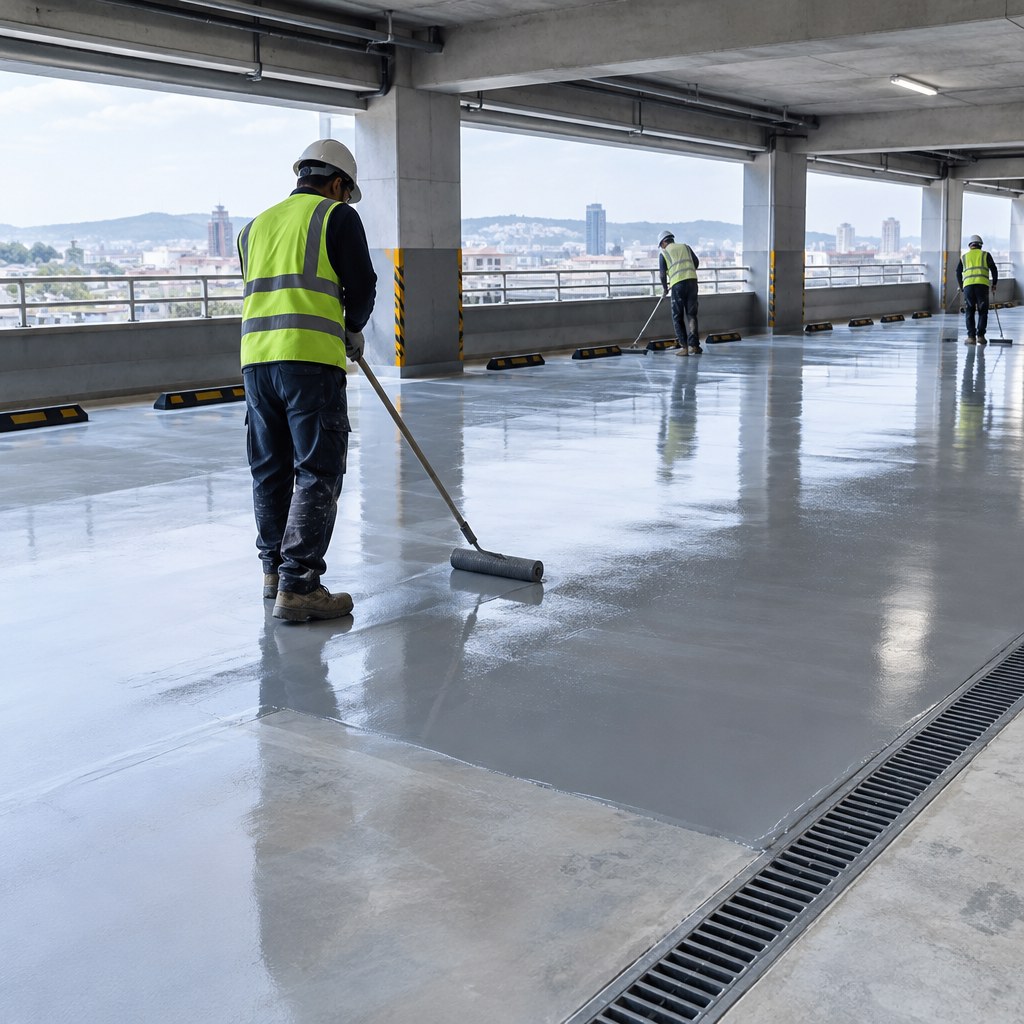
Waterproofing for Horizontal Surfaces
We waterproof slabs, roofs, terraces, and parking structures, accounting for drains, parapets, penetrations, traffic, and movement joints.
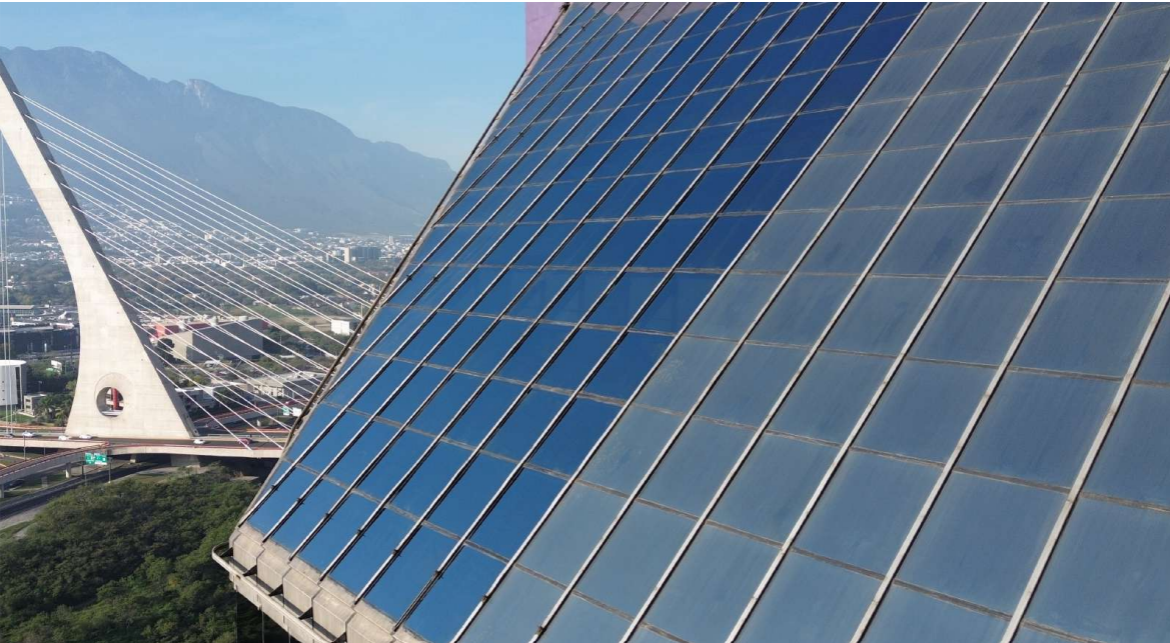
Facade, Glass & Window Sealing
We restore panel joints, window perimeters, glazing transitions, and water-entry points on multi-story buildings.
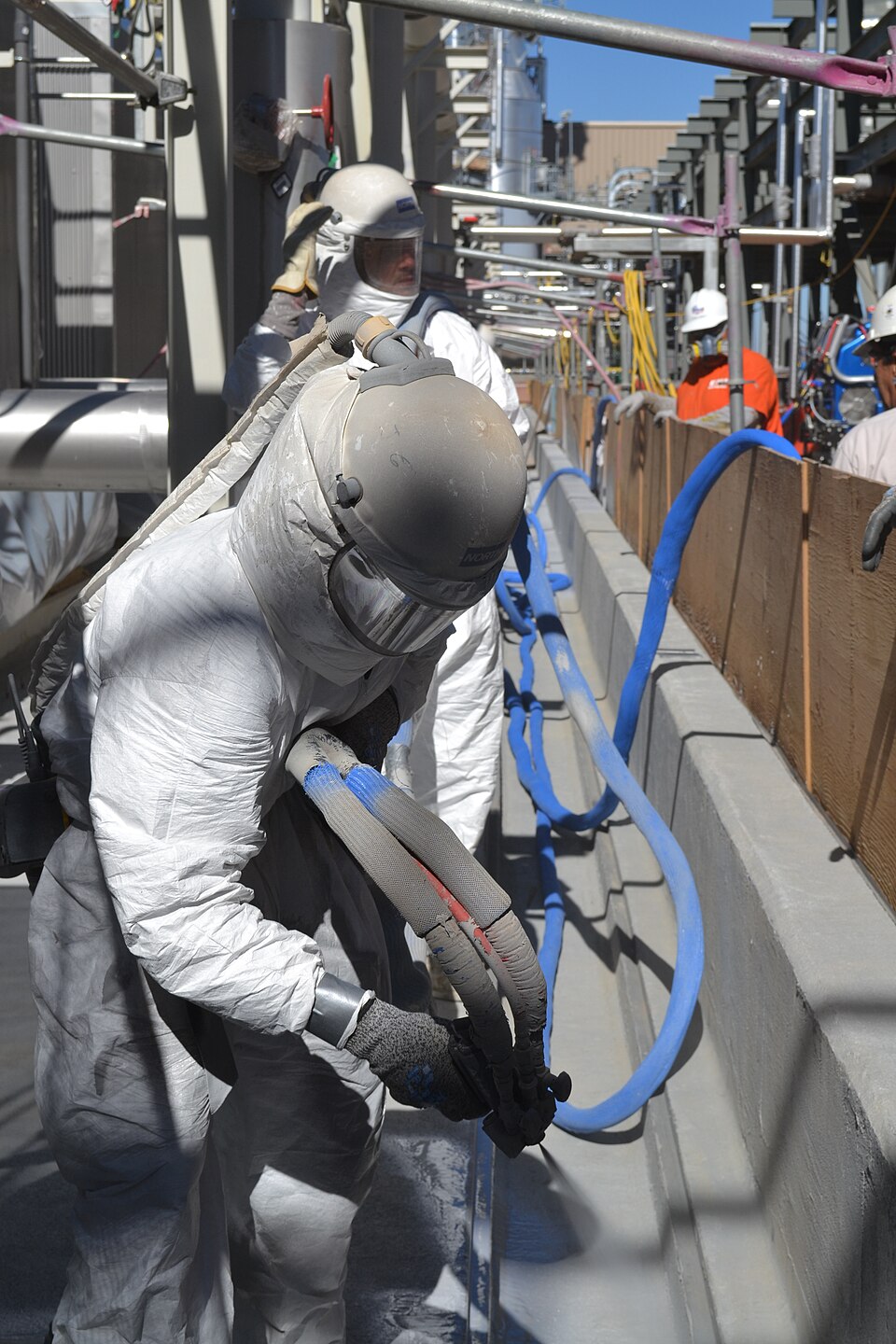
Polyurea, Injection & Specialized Solutions
For projects where continuity, fast return to service, and localized leak control are critical, we evaluate specialized systems.
We select systems based on performance, not brand.
System selection is based on the substrate, exposure, movement, traffic, moisture conditions, and available installation window.
Polyurea
A specialized system for projects requiring seamless protection and reduced return-to-service times.
Ideal for: parking structures, specialty roofs, operational areas, and short work windows.
A seamless membrane adaptable to complex geometries, roofs, terraces, and construction details.
For concrete and masonry in pools, tanks, walls, foundations, and wet areas.
Roof rehabilitation and waterproofing where asphaltic systems are compatible.
Reflective, elastic solutions for maintenance of exposed roofs.
For cracks, joints, and cavities with water intrusion, following evaluation of movement and structural conditions.
HPS ExperienceFeatured ProjectsProjects where sealing and leak control were central to the scope of work.
Torres Moradas · JLL Monterrey
Glass cleaning, joint sealant replacement, and treatment of facade leak points.
Technology Behind the Result
Every project combines preparation, equipment, materials, and quality control. These are the technical criteria we use to define the right system.
Liquid Polyurethane Membranes
Seamless protection for complex details
Liquid polyurethane membranes are cold-applied and cure into a seamless film. They are especially useful on roofs, terraces, balconies, and areas with multiple penetrations or changes in plane.
On site we evaluate: substrate preparation, primer compatibility, localized reinforcement at joints or cracks, material consumption per area, and final system thickness. Additional reinforcement may be required in areas subject to movement or on irregular substrates.
Facade, Window & Movement-Joint Sealing
Joints must accommodate movement while maintaining watertightness
On concrete, panel, metal, or glass facades, thermal changes and building movement continuously stress the joints. The sealant must retain elasticity, adhesion, and resistance to weather and UV exposure.
Our specification considers: joint width and depth, expected movement, substrate type, backer material, surface preparation, and compatibility with glass, metal, concrete, or existing coatings. Perimeter sealing at windows and transitions is treated as part of the complete building envelope.
Polyurea & Spray Application
Seamless protection and rapid return to service
High-performance polyurea systems can be applied using heated two-component spray equipment. Their rapid cure makes it possible to create a monolithic membrane quickly, even over complex geometries.
Technical advantages: high elasticity, mechanical and abrasion resistance, strong crack-bridging capability, and a seamless surface. Performance depends on rigorous substrate preparation, moisture control, priming, and correct equipment parameters.
Active Leaks & Injection Resins
Localized treatment inside cracks, joints, and cavities
Low-viscosity polyurethane resins can be injected into concrete or masonry to control water intrusion. Some formulations react with moisture to create a flexible foam that fills voids and helps stop active water flow.
Before injection: we determine whether the crack is active or stable, trace the water path, assess pressure, element thickness, and structural movement. Depending on the system, a water-stop injection may be one stage of a more permanent repair.
Preparation, Quality Control & Area Release
System quality starts before the material is applied
Cleaning, removal of failed material, surface profile, substrate moisture, and detail repairs directly affect system adhesion and continuity.
During installation: we control material consumption, thickness, continuity at transitions, and cure times. When required, adhesion testing, thickness verification, or watertightness testing can be performed before the area is released.
Do you have a leak or a waterproofing system that is already failing?
We identify the source and recommend the appropriate repair or waterproofing solution.